

Sister City Program
The City of Moreno Valley has an established Sister City relationship with San Juan de los Lagos, Jalisco, Mexico.
A sister city is a long-term partnership between two communities in different countries, formalized by an agreement signed by the highest elected officials from both cities. These relationships promote cultural understanding, citizen-to-citizen diplomacy, and economic, educational, and technical exchanges between the two communities. Popular activities include youth and professional exchanges, cultural events, and collaborative projects. Learn more about the Sister Cities International Program.
Moreno Valley’s Sister City
The City of Moreno Valley formed its Sister City partnership with San Juan de los Lagos, Jalisco, Mexico on July 13, 1993, through Resolution No. 93-57. The most recent delegation from San Juan de los Lagos visited in February 2023. Since the COVID-19 pandemic, the program has been mostly inactive, though it has traditionally been supported by local community and cultural organizations.
About San Juan de Los Lagos
San Juan de los Lagos (English: Saint John of the Lakes) is a city located in the northeast corner of the state of Jalisco, Mexico, in a region known as Los Altos. It is best known as the home of a small image of the Virgin Mary called Our Lady of San Juan de los Lagos (Nahuatl: Cihuapilli, lit. "Great Lady"). Miracles have been ascribed to her since 1632 and have made the Basilica of San Juan de los Lagos a major tourist attraction. The Presidente Municipal of San Juan de Los Lagos is Alejandro De Anda Lozano. The economy of the city is still heavily dependent on the flow of pilgrims to the shrine, which has amounted to between seven and nine million visitors per year.
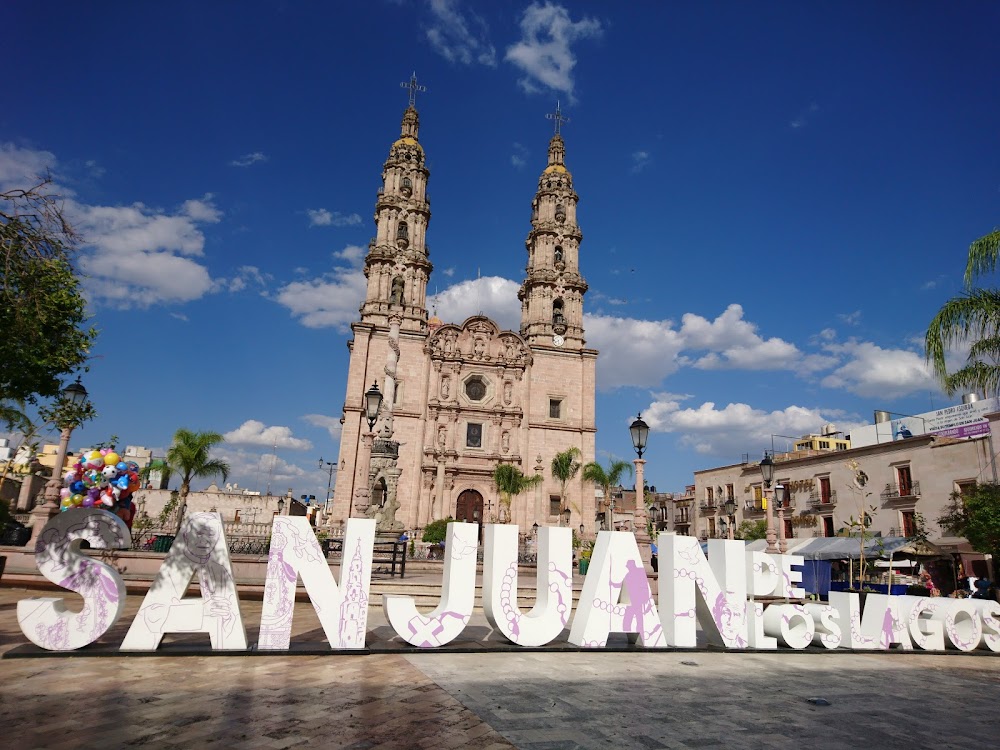
Just under fifty percent of the working population is dedicated to commerce and services, with most of this related to tourism to the city of San Juan de los Lagos, followed by businesses catering to local, mostly primary, needs. This translates to a population of approximately 40,000 residents who cater to the needs of around seven million pilgrims per year.
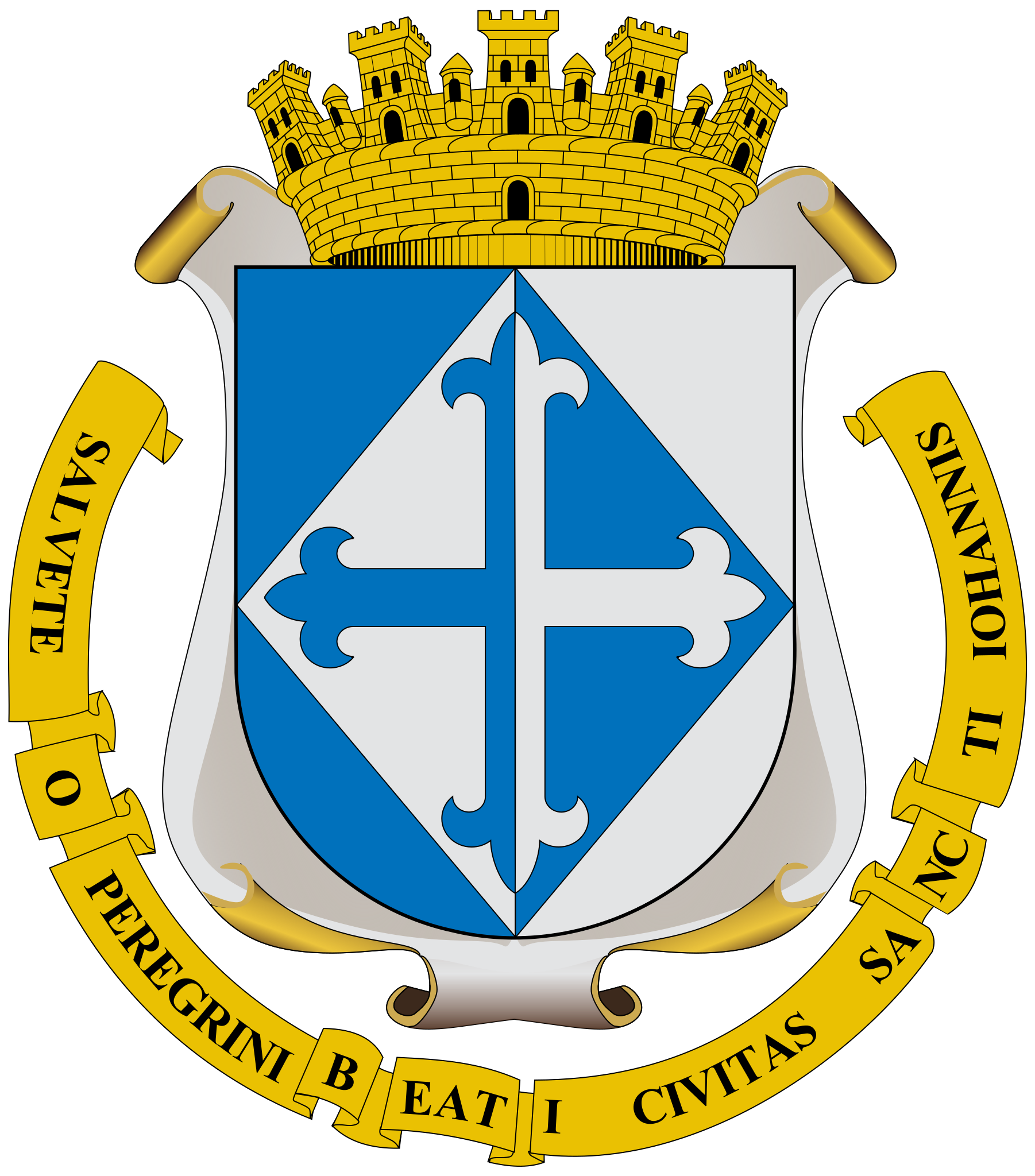
Their coat of arms is a Spanish-shaped Renaissance shield. The first field is azure, and the second argent, with a large lozenge divided per pale; overall, a cross fleur-de-lis, which is divided. The crest is a walled crown with five towers and eight turrets, five and four of which are respectively crenellated, with arrow slits, a round-topped parapet, and an iron gate in the center and front, all in gold, masoned in sable, befitting its status as a city. Externally, it is adorned with a molded cartouche in white and gold, surrounded by a parchment scroll with the Latin legend “SALVETE O PEREGRINI BEATI CIVITAS SANCTI IOHANNIS”.